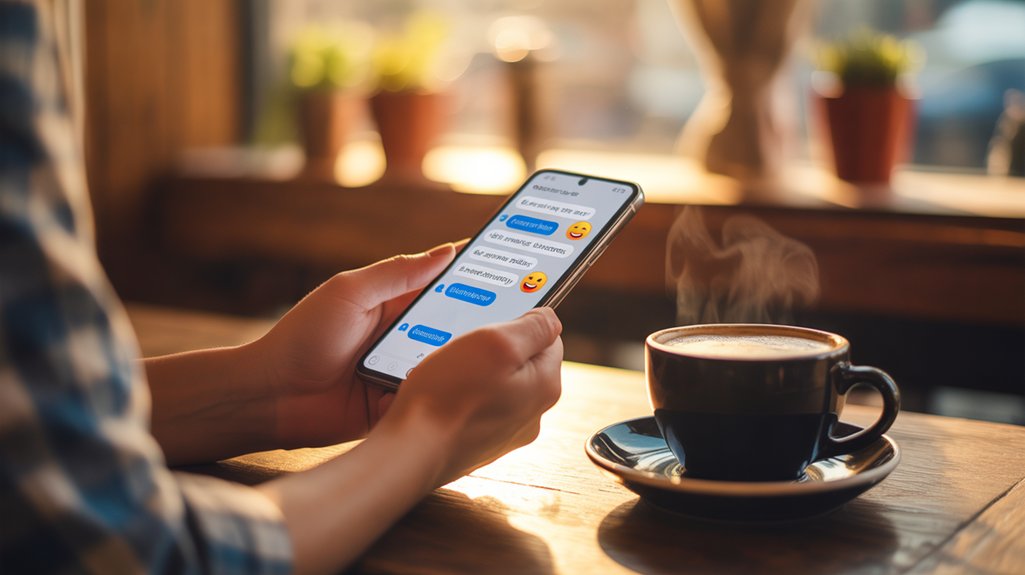
Men generally respond positively to nicknames that balance affection with masculine validation. Classic terms like “babe,” “handsome,” and “honey” convey warmth while maintaining emotional safety across relationship stages. Playful nicknames reflecting shared experiences, such as “Bear” or “Champion,” enhance intimacy through personalized connection. Complimentary terms that acknowledge strength, intelligence, or physical attributes boost self-worth and reinforce masculine identity. The timing and context of these names greatly impact their effectiveness, with deeper exploration revealing strategic approaches for different relationship phases.
Classic Pet Names That Never Fail
When it comes to digital communication, certain timeless terms of endearment consistently resonate with men across different age groups and relationship stages. Research indicates that classic choices like “babe,” “honey,” and “sweetheart” maintain their effectiveness because they convey warmth without overwhelming intensity. These nostalgic favorites work particularly well in text messages because they strike a balance between affection and comfort.
According to relationship psychologist Dr. Sarah Chen, “Traditional pet names create emotional safety while expressing genuine care.” Men often respond positively to “handsome,” “love,” and “dear” because these terms feel authentic rather than forced. The key lies in choosing names that match the relationship’s current intimacy level, ensuring the recipient feels appreciated rather than pressured by overly dramatic declarations.
Playful Nicknames That Show Your Connection
Playful nicknames that reflect shared experiences and personal connections often resonate more deeply with men than generic terms of endearment. These personalized monikers, whether born from inside jokes between partners or references to memorable moments together, demonstrate genuine intimacy and understanding. Research suggests that couples who develop unique communication patterns, including special nicknames, report higher relationship satisfaction and emotional bonding.
Inside Jokes and References
Although creating nicknames from shared experiences might seem trivial, relationship experts emphasize that these personalized terms of endearment demonstrate emotional intimacy and strengthen romantic bonds between partners.
Inside jokes serve as powerful relationship tools, creating exclusive communication codes that reinforce couple identity. Dr. Sarah Mitchell, relationship psychologist, notes that “couples who reference shared memories through playful nicknames report higher satisfaction levels and deeper emotional connections.” These personalized terms might reference memorable dates, funny mishaps, or favorite movies you’ve watched together.
Shared references work particularly well because they acknowledge your unique history as a couple. Whether calling him “Captain” after his cooking disaster or “Professor” following his lengthy explanations about his hobbies, these nicknames demonstrate attentiveness to his personality and your collective experiences, making him feel truly seen and valued.
Cute Pet Names
Beyond personalized references, traditional pet names remain popular communication choices that convey affection and establish romantic tone in text conversations. Classic terms like “babe,” “honey,” and “sweetheart” consistently receive positive responses because they signal romantic interest without appearing overly intimate.
| Pet Name Category | Examples | Emotional Impact |
|---|---|---|
| Classic Terms | Baby, Honey, Sweetheart | Warm, Traditional |
| Adorable Animal Names | Bear, Tiger, Puppy | Playful, Protective |
| Food-Based Names | Cookie, Sugar, Pumpkin | Sweet, Nurturing |
| Strength-Based | Champion, Hero, King | Confident, Empowering |
| Lovable Fictional Characters | Superman, Prince, Captain | Admiring, Fun |
Research indicates men appreciate pet names that balance affection with respect for their masculinity. Terms referencing strength or admirable qualities often resonate particularly well, creating positive emotional associations while maintaining appropriate boundaries in digital communication.
Complimentary Terms That Boost His Ego
Men often respond positively to complimentary terms that reinforce their sense of capability, intelligence, and attractiveness through text messages. Research indicates that masculine identity is frequently tied to perceptions of strength, competence, and physical appeal, making these areas particularly effective for ego-boosting communication. Strategic compliments in these three domains can strengthen romantic connections while simultaneously validating a partner’s self-worth and confidence.
Masculine Strength Affirmations
The psychology of masculine validation reveals that certain complimentary terms can greatly enhance a man’s self-perception and emotional well-being when received through text messages. Research indicates that strength recognition through phrases like “my protector” or “my rock” activates positive neural pathways associated with self-worth and confidence.
Dr. Michael Thompson, author of “Speaking of Boys,” notes that assertive encouragement terminology resonates deeply with male identity formation. Terms such as “warrior,” “champion,” or “my hero” acknowledge traditional masculine archetypes while reinforcing personal capability. These affirmations work particularly well in digital communication because they allow men to process the validation privately.
Effective masculine strength affirmations include “my strong man,” “fearless leader,” and “my anchor,” which simultaneously recognize physical and emotional fortitude while creating intimate connection through personalized language.
Intelligence and Success Praise
When acknowledging intellectual prowess and professional accomplishments, specific praise terminology can considerably amplify a man’s confidence and sense of achievement in text-based communication.
Terms like “brilliant,” “genius,” or “mastermind” provide powerful intellectual admiration that resonates deeply with masculine psychology. Research indicates that men particularly value recognition of their problem-solving abilities and strategic thinking capabilities.
Success recognition through phrases such as “boss,” “champion,” or “winner” validates professional achievements and ambition. Dr. Helen Fisher’s studies reveal that men’s self-esteem often correlates strongly with perceived competence and accomplishment levels.
Specific compliments work most effectively: “You’re so smart about finances” proves more impactful than generic praise. Technology-related acknowledgments like “tech wizard” or “coding master” appeal especially to younger demographics, while “visionary” and “leader” suit professional contexts perfectly.
Physical Appearance Compliments
Physical validation through carefully chosen descriptive language creates profound psychological impact on masculine self-perception, particularly when delivered through digital communication channels. Men respond positively to specific physical compliments that acknowledge their attractive qualities without appearing overly intimate or superficial.
Effective compliments focus on distinguishing characteristics rather than generic praise. Mentioning his “charming smile” acknowledges both physical appeal and the warmth it conveys, while noting “striking features” validates his unique attractiveness. Research indicates that men particularly appreciate compliments about features they’ve consciously developed, such as fitness results or grooming choices.
Dr. Susan Krauss Whitbourne’s studies suggest that appearance-based validation enhances self-esteem when it feels genuine and specific. The key lies in observational detail—referencing particular qualities demonstrates genuine attention and interest, making compliments more meaningful and memorable.
Sweet Names for New Relationships
Steering the delicate balance of affection in budding romances requires careful consideration of the pet names partners choose to exchange. Early relationship stages benefit from gentle, non-possessive terms that express growing fondness without overwhelming intensity. Research suggests men appreciate names like “sweetie,” “babe,” or their actual name with added warmth through context and timing.
Sweet surprises emerge when partners gradually introduce endearing terms that feel authentic rather than forced. Affectionate gestures through text, including thoughtful nicknames, help establish emotional connection while respecting boundaries. Psychology experts recommend avoiding overly intimate names during initial dating phases, as premature intensity can create discomfort. Instead, focus on names that acknowledge attraction and care while maintaining comfortable distance, allowing natural progression as emotional intimacy develops organically between partners.
Intimate Names for Committed Partners
The evolution of relationship terminology shifts dramatically once couples establish deeper emotional bonds, with intimate partners often gravitating toward more personal, exclusive names that reflect their unique connection. Research indicates that committed couples develop specialized vocabularies during intimate moments, creating private nicknames that outsiders rarely hear or understand.
Dr. Sarah Martinez, relationship psychologist, notes that “intimate naming patterns strengthen emotional intimacy through shared linguistic experiences.” These names often emerge organically during meaningful conversations, evolving from inside jokes, physical characteristics, or significant shared memories.
Common intimate terms include “my love,” “darling,” or personalized variations of given names. Partners frequently create entirely unique nicknames based on private experiences, such as “sunshine” referencing morning conversations or “anchor” symbolizing emotional stability. These exclusive terms reinforce relationship boundaries while deepening emotional connection.
Casual Names That Keep Things Light
While intimate relationships call for deeper expressions of affection, many dating scenarios benefit from lighter, more playful terminology that maintains emotional distance without sacrificing warmth. Research indicates that casual flattery through nicknames creates comfortable interaction patterns without overwhelming emotional intensity.
Playful banter emerges naturally when using names that acknowledge attraction while preserving boundaries. Communication experts suggest these terms signal interest without premature commitment expectations.
| Category | Examples | Context |
|---|---|---|
| Casual Compliments | Cutie, Handsome | Early dating phases |
| Playful Teasing | Troublemaker, Smarty | Established rapport |
| Activity-Based | Gym Guy, Coffee Lover | Shared interests |
| Personality Traits | Funny Guy, Charmer | Observed characteristics |
| Situational | Adventure Buddy, Partner-in-Crime | Specific experiences |
These approaches maintain conversational flow while expressing appreciation, creating positive interaction patterns that respect developing relationship dynamics.
Unique Nicknames Based on His Personality
Personalization transforms generic terms of endearment into meaningful expressions that reflect individual character traits, creating deeper emotional connections through thoughtful observation. Men particularly appreciate nicknames that acknowledge their unique qualities, whether celebrating their role as a charismatic leader within friend groups or recognizing their adventurous spirit through outdoor pursuits.
Psychology research indicates that personalized nicknames validate identity and strengthen relational bonds. A fitness enthusiast might enjoy “Iron Man,” while someone with exceptional problem-solving skills could appreciate “Sherlock.” Creative individuals often respond positively to “Artist” or “Maestro,” depending on their specific talents.
The key lies in authentic observation rather than forced creativity. Effective personality-based nicknames emerge naturally from shared experiences, inside jokes, or admirable characteristics that partners genuinely recognize and value in their relationships.
Names That Make Him Feel Masculine
Strength-affirming nicknames tap into fundamental aspects of masculine identity, offering men validation of their protective instincts, physical capabilities, and leadership qualities through carefully chosen words. These macho monikers create emotional connections by acknowledging qualities men value in themselves, from physical prowess to mental fortitude.
| Physical Strength | Leadership Qualities |
|---|---|
| Champion | Chief |
| Warrior | Boss |
| Titan | Captain |
| Beast | Commander |
| Superman | King |
Bold identifiers like “Protector” and “Hero” resonate deeply because they acknowledge a man’s desire to be seen as capable and dependable. Research indicates that masculine validation through language strengthens relationship bonds, as these terms affirm his role as someone strong, reliable, and worthy of respect within the partnership.
When to Use Different Types of Names
Timing and context determine the effectiveness of masculine nicknames, as using the wrong term at the inappropriate moment can backfire and create awkwardness rather than intimacy. Timing considerations play a vital role in establishing appropriate boundaries and building connection through text communication.
The right nickname at the wrong moment can shatter intimacy and create uncomfortable distance in your relationship.
Understanding texting tone becomes essential when choosing between different masculine terms, as the same nickname can convey vastly different meanings depending on relationship dynamics and conversation context.
- Early relationship stages require lighter terms like “handsome” or his actual name to avoid overwhelming pressure
- Intimate moments call for deeper nicknames such as “baby” or personalized terms you’ve developed together
- Casual conversations work best with playful options like “cutie” or “sweetie”
- Serious discussions benefit from using his real name to maintain respect and gravity